Glass food container compliance planning
High borosilicate glass container testing requirements

Glass Food Container Compliance & Testing

A project-specific documentation and testing brief for large-volume B2B sourcing.

Define Compliance Before Product Approval

Food-contact, performance, labeling and retailer requirements vary by destination, product construction and sales channel. Feemio asks buyers to identify the destination country and required protocol before sampling so the applicable plan can be reviewed for the actual high borosilicate glass food container project.

This page does not claim that one certificate covers every product or market. Reports, declarations and test scope must correspond to the approved product, materials, lid system and order specification.

Project MOQ

100,000 pieces for high borosilicate glass food container projects.

Submit Requirements

Four Layers of a Buyer Compliance Brief

1. Market

Destination country, importer responsibility, retailer protocol and required language.

2. Product

Glass body, lid, gasket, decoration, intended use, temperatures and repeat-use conditions.

3. Test Scope

Food-contact, performance, mechanical, thermal, dishwasher or buyer-defined checks as applicable.

4. Documents

Required report format, sample identity, declarations, artwork files and inspection records.

Product & Process Reference

Connect the Product Brief to the Test Plan

Testing scope should be tied to the approved product construction, intended use, packaging and destination-market requirements.

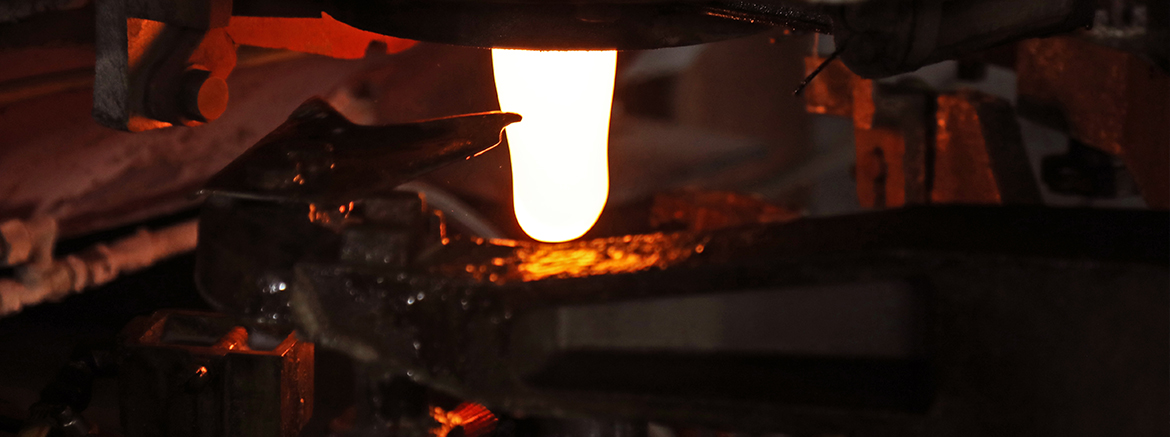
Glass container forming process reference
Manufacturing Process ReferenceMaterial, forming and annealing requirements should be connected to the approved product brief and inspection plan.
High borosilicate glass food container component reference
Product Component ReferenceThe glass body, lid, gasket, decoration and retail packaging should each be identified in the compliance file.

Product Component Testing Matrix

The matrix below helps the buyer define scope. It is not a certificate or universal test plan. The applicable method, sample identity, laboratory, limits and acceptance criteria must be confirmed for the destination market, retailer and approved product.

Product Component Information to Identify Potential Review or Test Scope Buyer Approval Record
High Borosilicate Glass Body Material identity, capacity, dimensions, intended use and temperature conditions Applicable food-contact scope, dimensional checks, visual criteria and buyer-defined thermal performance Approved sample, specification and applicable report reference
Lid Material, locking system, vent, color, food-contact area and use instructions Applicable food-contact scope, fit, locking cycle, vent function and performance criteria Lid drawing, material/color approval and test scope
Gasket or Seal Material, color, dimensions, contact condition and replacement requirement Applicable food-contact scope, fit, odor/color criteria and buyer-defined seal performance Component specification and approved assembled sample
Printing, Logo or Decoration Method, position, color reference, contact location and artwork Food-contact relevance, adhesion, abrasion or dishwasher checks when required Signed artwork, color reference and approved decoration sample
Finished Container Assembly Glass/lid/gasket combination, capacity, use claims and warnings Assembly fit, leak or handling protocol, dishwasher/thermal checks and final inspection criteria when specified Golden sample, complete specification and defect classification
Retail & Transit Packaging Sell unit, inserts, barcode, labels, master carton and shipping route Artwork review, required warnings, pack-out checks and buyer-defined transit testing Approved packaging file, pack sample and carton specification

Related product references: Glass Food Storage Containers, Meal Prep Containers and Glass Baking Dishes.

What Buyers Should Specify

Requirement Area Questions for the RFQ Why It Matters
Food Contact Which destination-market and retailer requirements apply to the glass, lid, gasket and decoration? The complete product includes more than the glass body.
Intended Use Will the item be used in an oven, microwave, freezer, dishwasher or for reheating? Claims and test conditions must match the intended use.
Thermal Performance What temperature range or thermal-change protocol does the buyer require? Generic temperature claims should not replace an agreed test method.
Lid Performance Is leak resistance, venting, locking-cycle or gasket performance part of approval? Lid construction affects use, packaging and testing.
Retail Packaging What warnings, language, recycling marks, barcode and instructions are required? Packaging obligations differ by market and retailer.
Inspection What sample size, defect classification and acceptance criteria will be used? Written criteria reduce disputes at final inspection.

Project Documentation Workflow

1. Requirement List

The buyer supplies destination, intended use, retailer manual and requested test scope.

2. Scope Review

Confirm which components, colors, decorations and samples are covered.

3. Approval Record

Align the product specification, artwork, sample identity and acceptance criteria.

4. Order File

Keep applicable reports and inspection records connected to the approved order.

Destination-Market Planning

Buyers serving the USA, UK, Canada, Australia, Germany, France, Netherlands, Switzerland, Sweden, Denmark or New Zealand should state both the country requirements and any retailer-specific protocol. The importer or brand remains responsible for confirming which requirements apply to the intended product and claims.

For branded product development, visit OEM & Private Label. For retail sourcing, visit Supermarket Programs.

Compliance & Testing FAQ

Does one report cover every glass food container?

No. Coverage depends on the tested sample, material, component, decoration, test scope and issuing document. Buyers should confirm that the report matches the ordered specification.

When should testing requirements be supplied?

Provide them at the RFQ or sampling stage. Late changes can affect sample selection, packaging, schedule and cost.

Should lids and gaskets be included?

Yes. The buyer should identify requirements for every food-contact component, including the glass body, lid, gasket and applicable decoration.

Can retailer protocols be added to the project?

Yes. Supply the current retailer manual and required forms so the scope can be reviewed before approval.

How should product claims be handled?

Claims should be specific, supportable and tied to the approved product and applicable test conditions. Avoid blanket claims that are not covered by the actual project file.

Send Your Compliance Checklist with the RFQ

Include destination market, intended use, requested standards, retailer protocol and order quantity.

Discuss a 100,000+ Piece Project
Category
Get in Touch

Please note: We don't accept orders for less than 300,000 unit.


Submit