When Do You Need ml and oz in Daily Life?
Life is easier with the right tools:
Baking Liquid Ingredients
Recipes from different regions may use varying units (e.g., American cups vs. European grams/ml). For precision in measuring water, milk, or oils, dual-scale tools eliminate guesswork.
Coffee Brewing (Espresso/Milk)
A mis-measured amount can alter flavor profiles.
Cocktails & Nutritional Drinks
Mixologists and health enthusiasts rely on precise measurements for consistency—whether crafting a 250ml smoothie or a 12oz protein shake. For packaged food and beverage products, clear food labels help consumers understand ingredients, nutrition information, and product details.
Baby Bottle Preparation
Over/under-dilution of formula can impact a baby’s health.
Why Professional Measuring Tools Matter
Mistakes in unit conversions can ruin recipes or even pose health risks (e.g., incorrect medication or infant formula dilution). Here’s how to prevent errors:
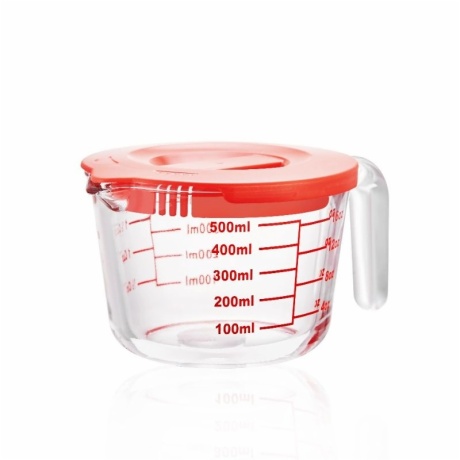
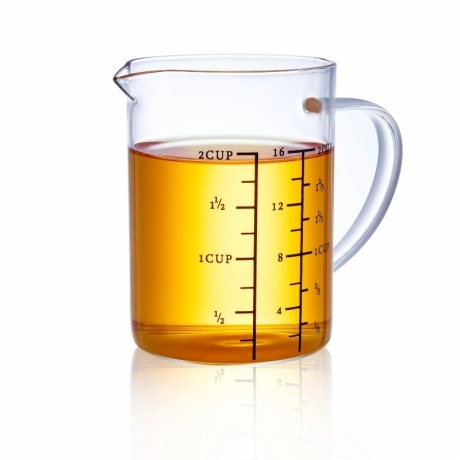
- Use Dual-Scale Containers: Buy cups with ml AND oz marks(like dual-scale glass measuring cup).
- Pick Food-Grade Materials: Glass(especially borosilitate glass) is best. No plastic chemicals.
- High Transparency Matters: Clear glass markings ensure readability.




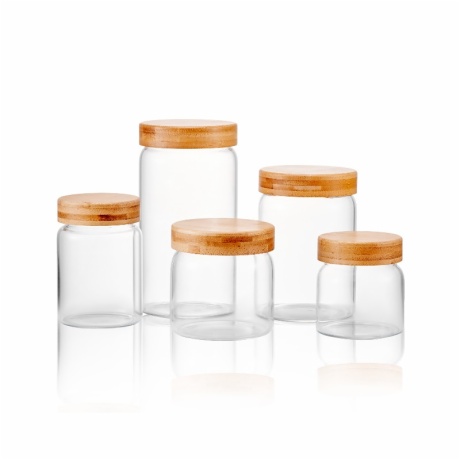 Borosilicate Glass Storage Jar