For food packaging buyers, sourcing borosilicate glass containers that meet strict safety standards (like FDA), withstand extreme temperatures, and offer leakproof reliability can be a challenge. This guide lists the top 10 borosilicate glass containers manufacturers, ensuring you partner with suppliers that align with your commercial needs.
Short Introduction: Pyrex is a world-famous brand that makes heat-resistant borosilicate glass containers and bakeware.
Location: France
Founded: 1915
Key Product: Borosilicate glass containers and oven dishes.
Why Choose Them: Pyrex products are durable, safe for ovens and microwaves, and trusted by many families.
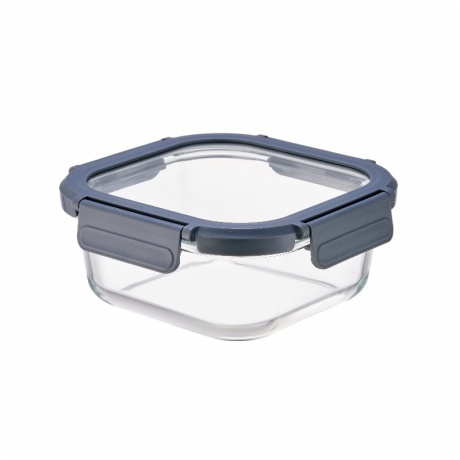
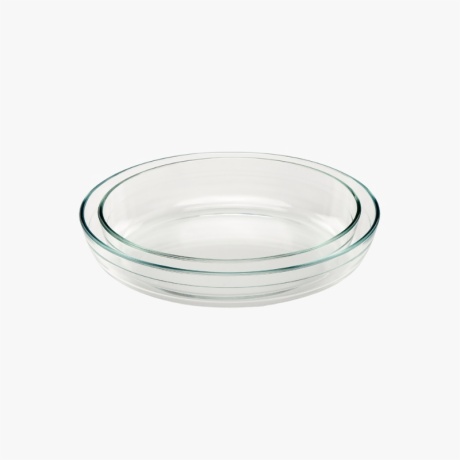
Review: You'll appreciate the reliability of Pyrex containers in your kitchen. Whether you're baking, freezing, or storing leftovers, Pyrex offers excellent heat resistance and won't easily crack or stain. The clear glass makes it easy to see what's inside, and the containers are dishwasher-safe, saving you time. If you're looking for a long-lasting, trusted brand with a strong heritage, Pyrex is a great choice for everyday use.
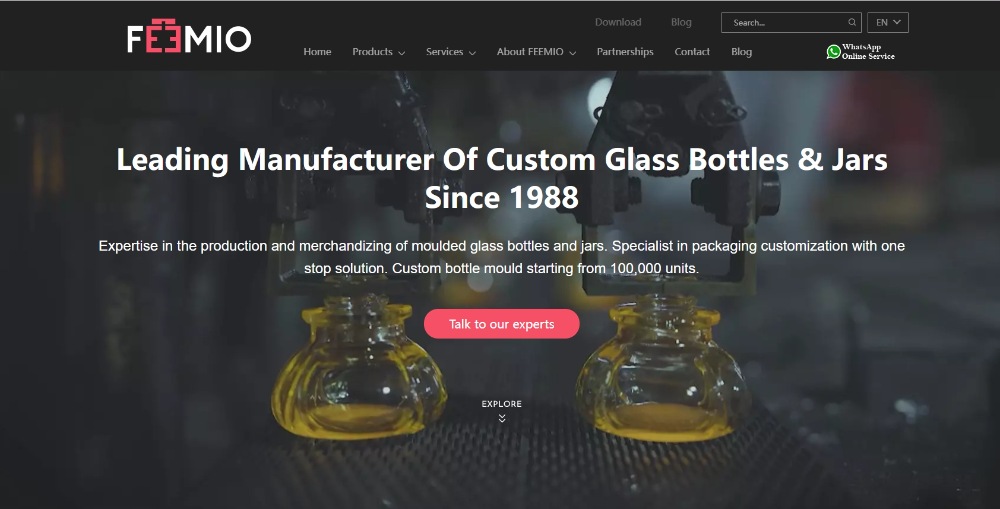
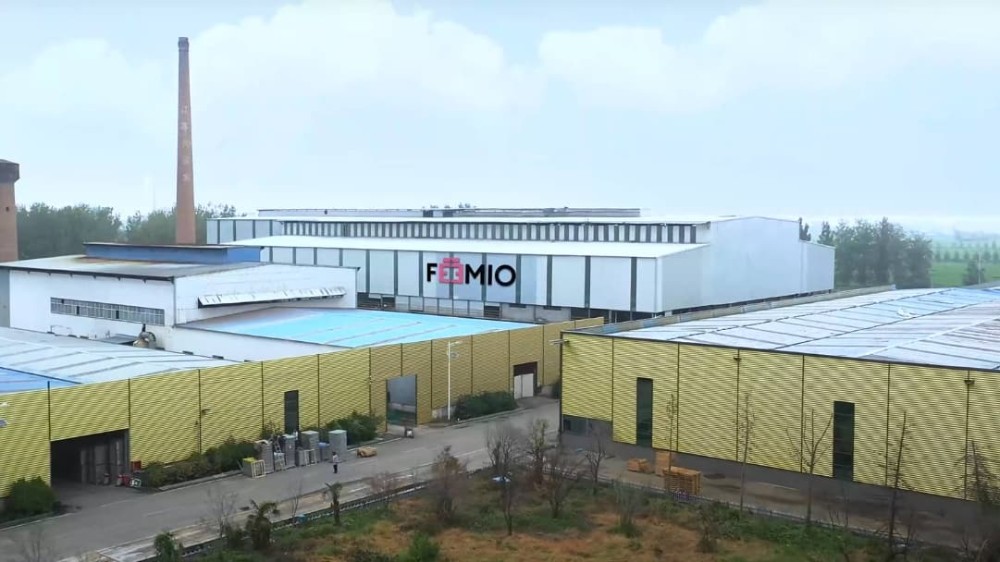
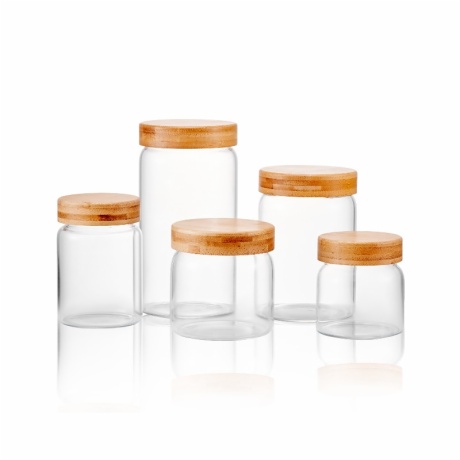
Why Choose Them: Feemio offers competitive prices, large volume production, and custom services.
Review: If you're a business looking for high-quality containers at wholesale prices, Feemio is a great partner. You'll benefit from their large production capacity and flexible customization options, including logos, shapes, and packaging. Their containers are made of strong borosilicate glass that can handle high and low temperatures. With Feemio, you can expect reliable delivery, responsive service, and affordable pricing to support your long-term growth.
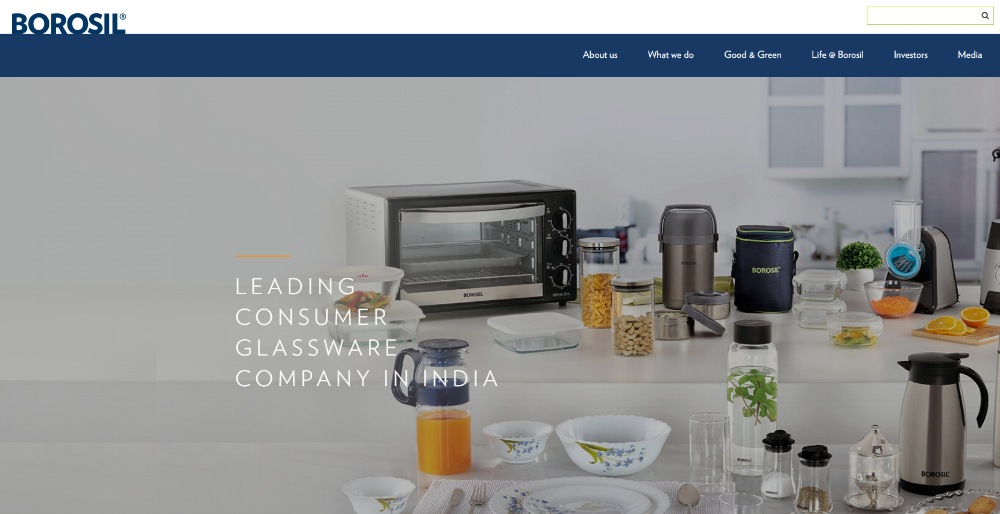
Short Introduction: Borosil is India's leading manufacturer of borosilicate glass products.
Location: India
Founded: 1962
Key Product: Borosilicate kitchen containers and laboratory glassware.
Why Choose Them: Borosil products are safe, durable, and widely used in homes and labs.
Review: You'll love using Borosil containers for your daily kitchen tasks. They are lightweight yet sturdy, and they can handle hot and cold food without breaking. Their clean design makes your kitchen look more organized, and you won't have to worry about chemicals or odors like with plastic. If you want elegant, safe, and reusable glass containers, Borosil gives you excellent value and long-term reliability.
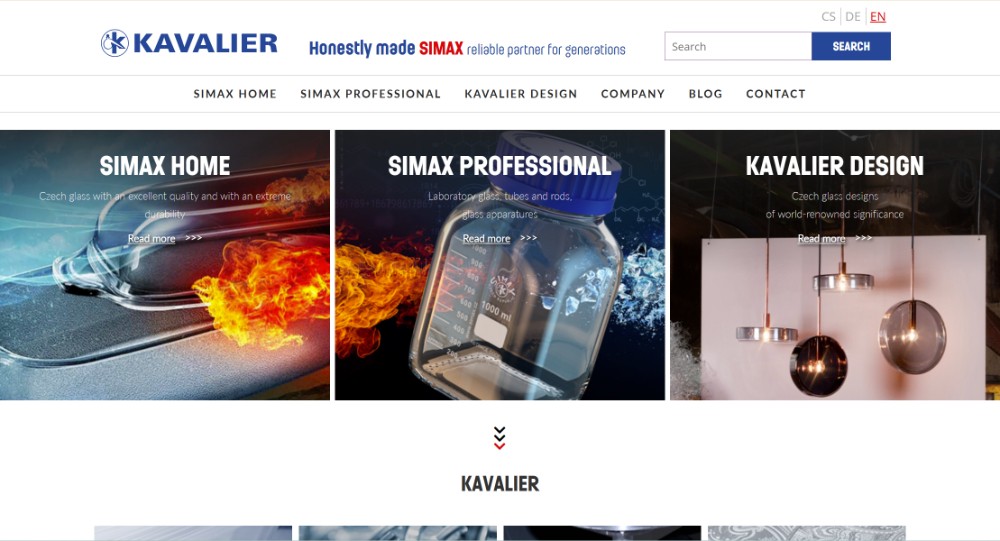
Short Introduction: Kavalierglass is one of the largest producers of borosilicate glass in Europe, offering both lab and kitchen products.
Location: Czech Republic
Founded: 1837
Key Product: Borosilicate glass cookware and laboratory glassware.
Why Choose Them: Over 180 years of glassmaking experience and advanced manufacturing technology.
Review: You'll admire the quality and craftsmanship of Kavalierglass containers. These products combine classic European glassmaking traditions with modern precision, ensuring consistent performance even under extreme temperatures. Whether you're cooking, storing, or using them in a lab setting, you'll find the glass clear, durable, and beautifully made. With Kavalierglass, you're not just buying containers — you're investing in time-tested excellence.
Why Choose Them: Strong global presence, advanced glass technology, and eco-friendly production.
Review: You'll appreciate Şişecam for its wide product range and commitment to sustainability. Their borosilicate containers are stylish and highly functional, perfect for both home and commercial use. The company uses eco-friendly methods and complies with global safety standards, giving you peace of mind. If you value innovation, environmental responsibility, and reliable glassware, Şişecam is a top-tier choice.
Review: You'll enjoy using Kilner containers if you love traditional design with modern performance. Their borosilicate jars are perfect for canning, fermenting, and storing dry goods. The airtight lids keep food fresh, and the vintage look adds charm to your kitchen. Kilner combines British tradition with practicality, offering products you'll proudly display on your shelves.
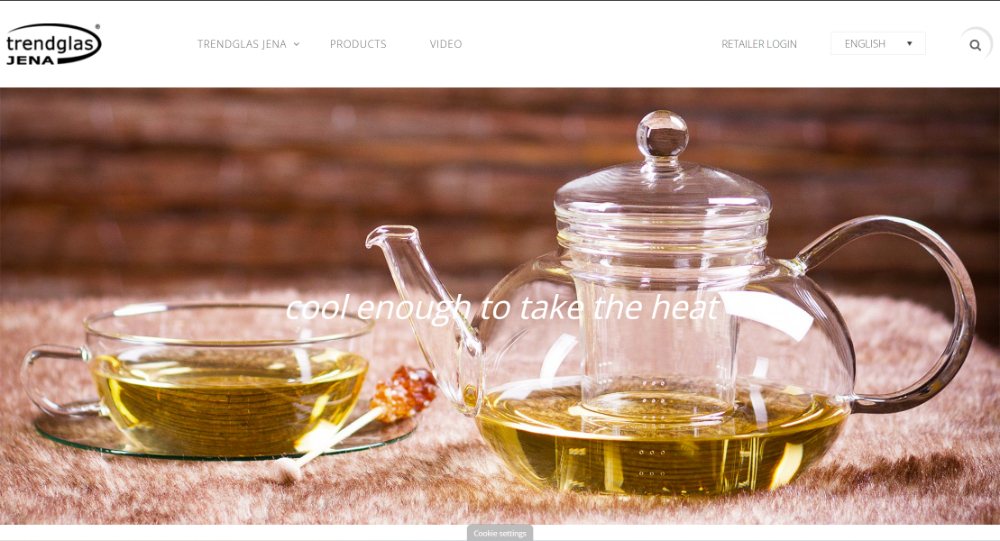
Short Introduction: Trendglas Jena is a German brand specializing in handmade borosilicate glassware.
Location: Germany
Founded: 2006
Key Product: Borosilicate glass storage containers, teapots, and cookware.
Why Choose Them: Handmade quality, BPA-free, and elegant European design.
Review: You'll be impressed by the craftsmanship of Trendglas Jena products. Their glassware is not only functional but also artistically designed. These containers are heat-resistant, dishwasher-safe, and free of toxins. If you appreciate minimalist European style and long-lasting quality, Trendglas Jena will satisfy both your aesthetic and practical needs.
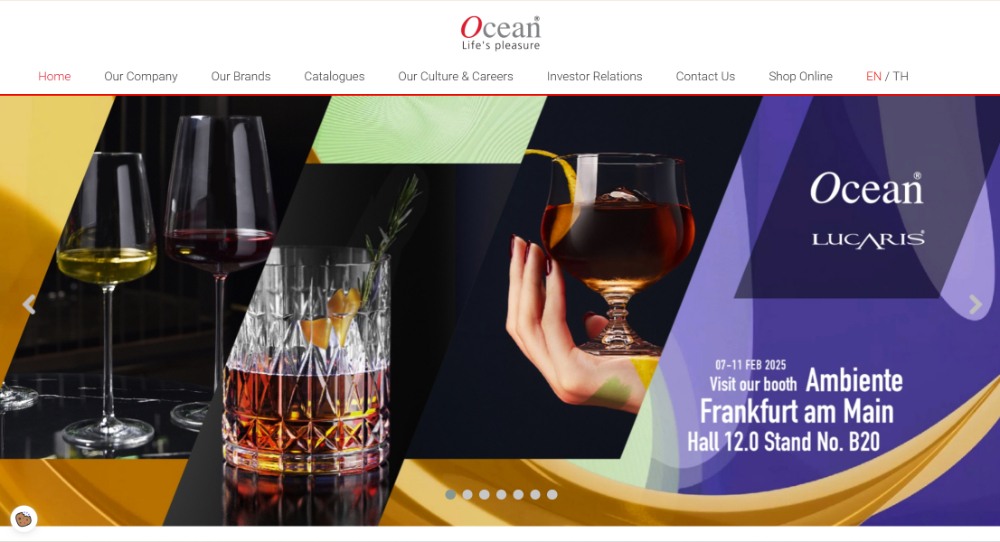
Short Introduction: Ocean Glass is a leading glassware manufacturer in Asia, known for its high-quality products used in hospitality and home settings.
Location: Thailand
Founded: 1979
Key Product: Borosilicate glass food containers, drinkware, and tableware.
Why Choose Them: Strong presence in hospitality industry, modern design, durable quality
Review: You'll find Ocean Glass products to be a perfect balance of design and strength. Their borosilicate containers are heat-resistant, crystal-clear, and built to handle daily use. Whether you're using them at home or in a professional setting, you'll appreciate their clean design and practicality. If you value elegance and functionality in equal measure, Ocean Glass is a smart and stylish choice.
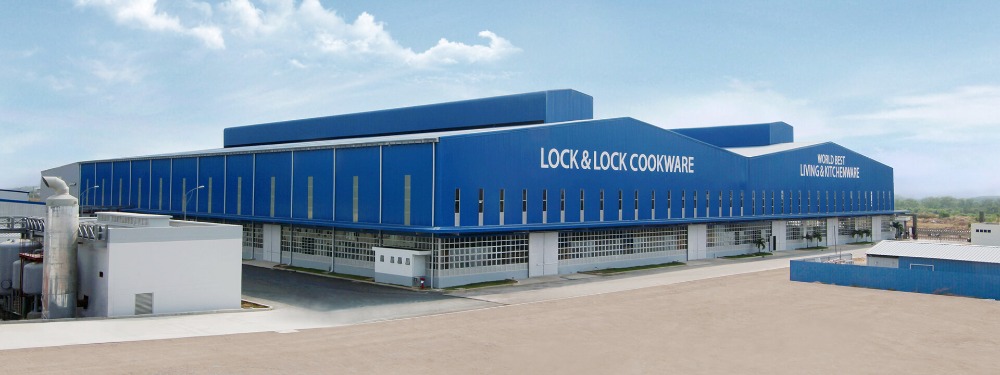
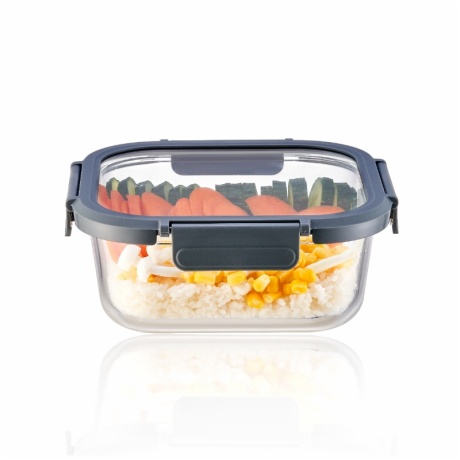
Review: You'll love how practical LocknLock containers are in your daily routine. Their borosilicate glass containers come with secure, easy-to-use lids that prevent leaks and spills. They're perfect for meal prep, storing leftovers, or taking food on the go. Safe for both oven and microwave, these containers simplify your kitchen tasks. If you want reliable, versatile storage that keeps your food fresh longer, LocknLock is made for you.
Short Introduction: HARIO is a Japanese brand globally recognized for its high-quality heatproof glassware, especially for coffee and tea.
Location: Japan
Founded: 1921
Key Product: Borosilicate glass containers, coffee servers, and teapots.
Why Choose Them: Heatproof glass, handcrafted precision, elegant Japanese design
Review: You'll enjoy the refinement and reliability of HARIO glass containers. Famous for their heatproof quality, these products are ideal for hot and cold use. Whether you're storing, reheating, or serving food or drinks, HARIO brings you a graceful and worry-free experience. If you're someone who appreciates Japanese craftsmanship and minimalism, HARIO offers glassware that elevates your everyday life.
Why Borosilicate Glass? 5 Critical Features Buyers Must Verify
1. Microwave, Dishwasher & Freezer Safe: Built for Large Temperature Changes
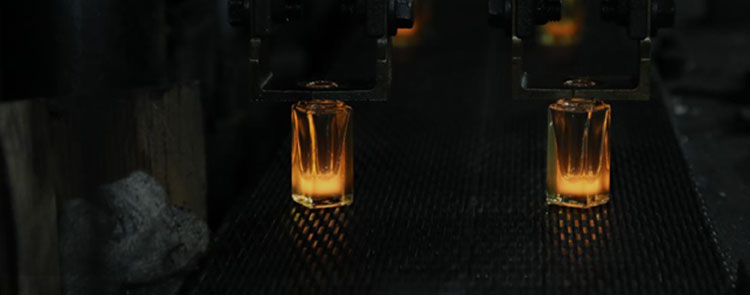
Borosilicate glass containers undergo rigorous thermal shock testing, withstanding temperatures from -20°C to 300°C. This ensures zero cracks when transferring meals directly from the freezer to a microwave or oven.
Application: Perfect for meal kit delivery services and prepared food brands — containers can safely transition between -18°C frozen storage to 220°C reheating without compromising integrity.
2. BPA-Free Certification: Compliance is Non-Negotiable
Borosilicate glass container which is certified FDA, EU and LFGB — the gold standard for food contact safety, is free from harmful chemicals such as BPA, phthalates, and lead, making them completely safe for storing food and beverages.
3. Durability: Engineered for Commercial-Grade Use
Quantified Testing: Borosilicate glass is less likely to cloud, scratch or lose its seal, and has a service life twice as long as ordinary soda-lime glass.
4. Chemical Resistance: Safeguard Product Integrity
Non-Porous Surface: Prevents flavor absorption or bacterial harboring—critical for essential oil brands and pharmaceutical packaging.
5. Reusable & Eco-Friendly: Sustainable Choice for Long-Term Use
Endless Reusability: Unlike plastic or disposable packaging, borosilicate glass containers can be reused thousands of times without degradation, staining, or odor retention, and can help reduce packaging costs.
Consumer Appeal: Studies show 72% of buyers prefer reusable glass over single-use plastics (Source: Nielsen 2023).
What Smart Buyers Ask Before Ordering?
When sourcing from top glass manufacturers, smart buyers know that asking the right questions can prevent costly mistakes and ensure long-term cooperation. Here are the key questions savvy purchasing managers ask before placing a bulk order:
What certifications do you hold? (e.g., ISO, FDA, LFGB)
To ensure product quality and safety compliance with international standards.
What material are you using?
Particularly whether it’s borosilicate, soda-lime, or tempered glass, which affects heat resistance and durability.
Can I get samples before placing a bulk order?
To assess the actual product quality, clarity, thickness, and lid sealing performance.
What customization options are available?
Including logo printing, color lids, labeling, packaging, and shape.
What is the MOQ (Minimum Order Quantity)?
Especially for custom orders or OEM/ODM requirements.
What is your lead time for production and delivery?
Critical for planning your supply chain.
What are your payment terms and Incoterms?
To clarify financial commitments and delivery responsibilities.
Do you support third-party inspections or factory audits?
A transparent manufacturer will always welcome external checks.
Can you provide case studies or references from global clients?
To prove credibility and past performance.
Conclusion
Choosing the right borosilicate glass container manufacturer is crucial for ensuring high-quality, durable products. By partnering with a reliable supplier that meets safety standards and offers customization options, you can enhance your offerings and ensure long-term success in the market. Make sure to consider factors like production capacity, material quality, and customer support when making your decision.








![Top 5 Borosilicate Glass Containers Manufacturers in China[2025 Updated]](/img/product/borosilicate-glass-containers-china/borosilicate-glass-containers-china.jpg "Top 5 Borosilicate Glass Containers Manufacturers in China[2025 Updated]")
![Top 20 Glass Packaging Manufacturers in the World[2025 Updated]](/img/product/glass-packaging-world/glass-packaging-world.jpg "Top 20 Glass Packaging Manufacturers in the World[2025 Updated]")
![Top 10 Borosilicate Glass Lunch Box Manufacturers in the World[2025 Updated]](/img/product/borosilicate-glass-lunch-box-world/borosilicate-glass-lunch-box-world.jpg "Top 10 Borosilicate Glass Lunch Box Manufacturers in the World[2025 Updated]")
