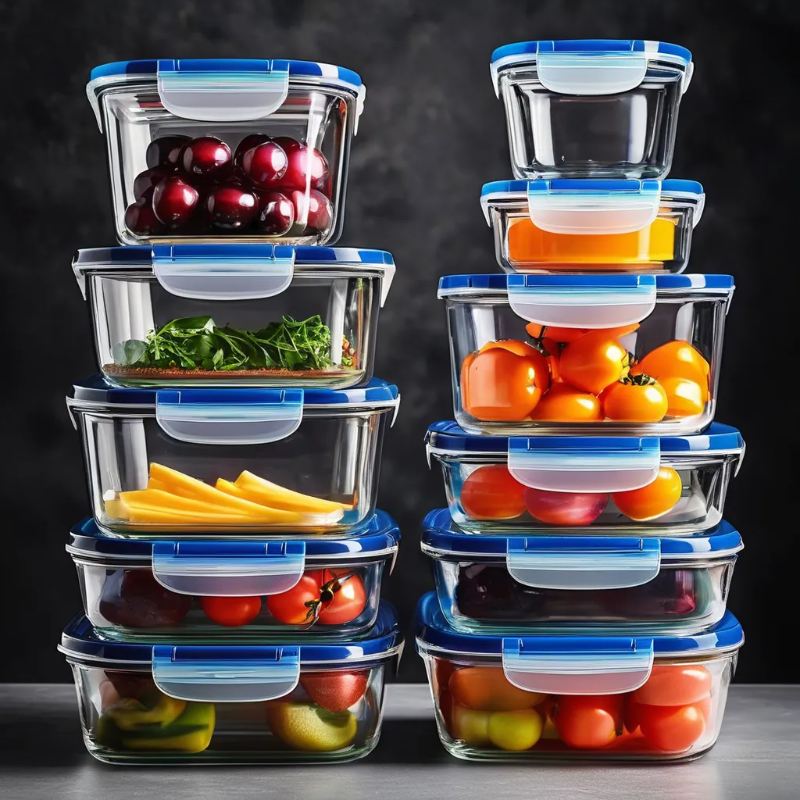
Glass lunch boxes are a popular choice for safe, eco-friendly, and durable food storage. But did you know that not all glass containers are safe for oven use? Oven-safe glass is specifically designed to withstand high temperatures without cracking or shattering. Choosing the right type of glass lunch box ensures safety, longevity, and convenience in your kitchen. In this guide, we’ll explain what makes a glass lunch box truly oven-safe, covering glass types, heat resistance, lids, and usage tips—helping both everyday users and online shoppers make informed choices.
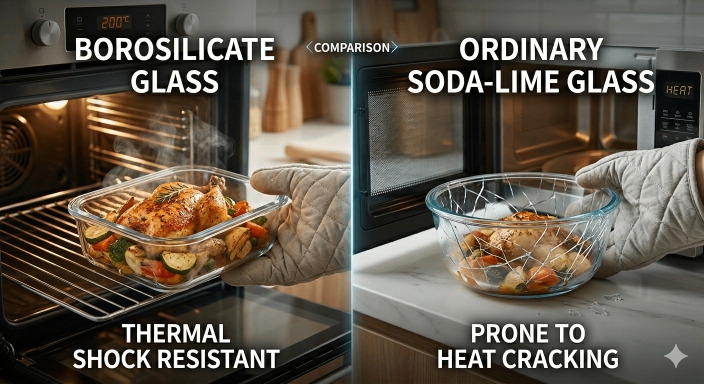
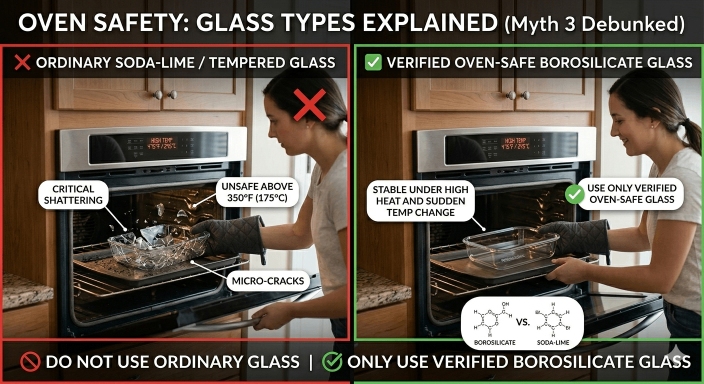
Oven-safe glass refers to glass materials specifically engineered to endure high temperatures without cracking, breaking, or releasing harmful substances. The most common type of oven-safe glass used in lunch boxes and kitchenware is borosilicate glass, known for its exceptional thermal shock resistance and durability. Unlike regular soda-lime glass, which can easily shatter under sudden temperature changes, borosilicate glass can safely transition from the freezer to the oven or microwave. When selecting a glass lunch box, always check the manufacturer’s label for terms like “oven-safe” or “heat-resistant” and pay attention to the maximum temperature rating to ensure safe and reliable use.
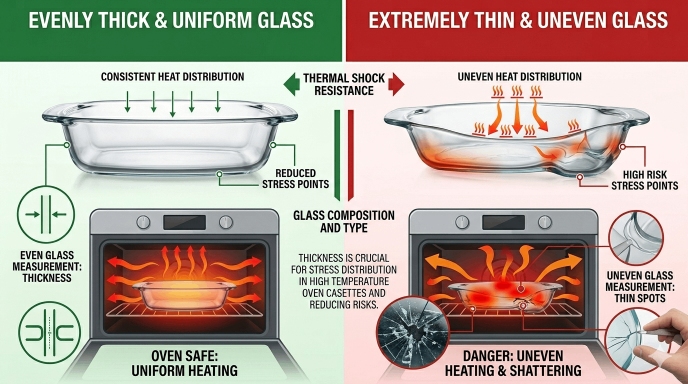
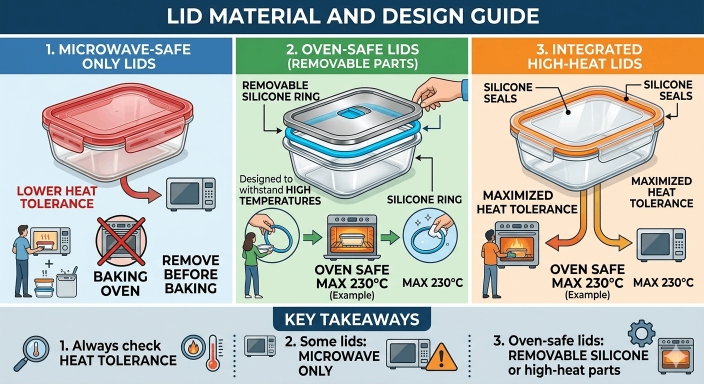
Several key factors determine whether a glass lunch box can be safely used in the oven. Understanding these aspects ensures both safety and longevity of your kitchenware:
By paying attention to these factors, you can confidently choose a glass lunch box that is truly oven-safe, reducing the risk of accidents and extending the lifespan of your kitchenware.
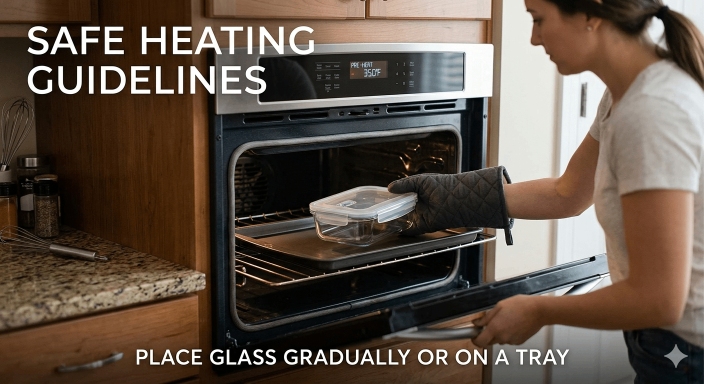
Even if your glass lunch box is labeled oven-safe, following proper usage practices is essential to prevent accidents and prolong the life of the container. Here are some important tips:
By following these guidelines, you can safely enjoy the convenience and durability of your oven-safe glass lunch box while reducing the risk of accidents and prolonging the product’s lifespan.
Many people make assumptions about oven-safe glass that can lead to accidents or damage. Understanding these myths can help you use your glass lunch box safely and confidently.
By recognizing and avoiding these common myths, you can maximize safety, prevent damage, and fully enjoy the benefits of your oven-safe glass lunch box.
Choosing a truly oven-safe glass lunch box is more than just picking a durable container—it requires understanding the glass type, thermal shock resistance, thickness, and lid materials. Borosilicate glass remains the safest choice for high-temperature cooking, while careful attention to manufacturer specifications ensures both safety and longevity. By following proper usage tips and avoiding common myths, you can confidently use your glass lunch box in the oven for baking, reheating, or meal prep without risk of cracking or shattering.
Next time you shop for a glass lunch box, look for clear labels such as oven-safe or heat-resistant, inspect the container for any damage, and follow the recommended temperature guidelines. Safe use not only protects your kitchen but also extends the lifespan of your glass lunch box, making it a reliable choice for everyday meals.
Ready to upgrade your kitchen with a high-quality oven-safe glass lunch box? Explore our selection and enjoy safe, convenient, and eco-friendly meal storage today!