


Whether you are packaging artisan jams, bottling salsas and sauces, storing bulk dry goods, or sourcing wholesale glass containers for a food line, choosing the right food jar sizes affects filling efficiency, shelf presence, shipping weight, and per-unit cost.
Common glass food jar sizes range from 4 US fl oz (about 118 mL) for samples to 64 fl oz (about 1.89 L) and 128 fl oz (about 3.79 L) for bulk storage. A jar’s nominal capacity gives you a starting point. For production, confirm the usable fill volume and headspace with your supplier. Product density affects the weight of food that fits at a given fill level.
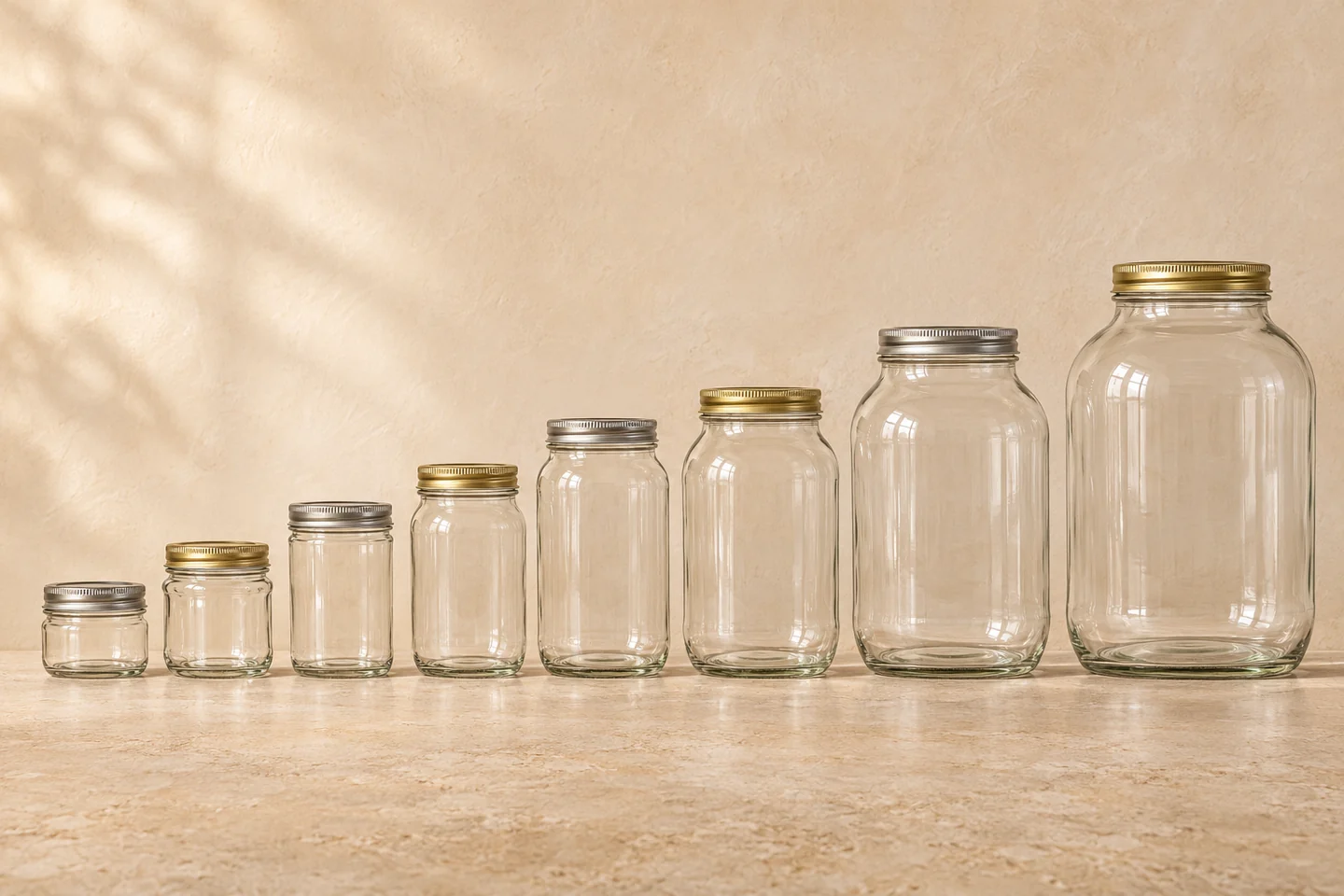
Use the food jar sizes chart to compare volume and approximate exterior dimensions, then see which sizes work well for different types of food.
Food Jar Sizes Chart (oz, mL, Cups & Dimensions)
An 8 oz jar holds about 237 mL, a 16 oz jar about 473 mL, a 32 oz jar about 946 mL, and a 64 oz jar about 1,893 mL. In this guide, jar sizes in oz refer to US fluid ounces.
Scroll sideways to see dimensions and typical uses.
| Jar size | Volume (mL) | US measure | Approx. height × width | Typical uses |
|---|---|---|---|---|
| 4 fl oz | 118 | ½ cup (¼ pint) | 2.25–3 × 2.25–2.75 in5.7–7.6 × 5.7–7.0 cm | Spices, honey samples, dips |
| 8 fl oz | 237 | 1 cup (½ pint) | 2.5–4.25 × 2.25–2.9 in6.3–10.8 × 5.7–7.4 cm | Jams, jellies, nut butters, spreads |
| 12 fl oz | 355 | 1½ cups | 3.75–5.25 × 2.25–3 in9.5–13.3 × 5.7–7.6 cm | Honey, salsas, relishes, preserves |
| 16 fl oz | 473 | 2 cups (1 pint) | 4.5–5.3 × 2.5–3.2 in11.4–13.5 × 6.3–8.1 cm | Sauces, pickles, salsas, meal prep |
| 24 fl oz | 710 | 3 cups (1½ pints) | 5.25–6.6 × 3–3.5 in13.3–16.8 × 7.6–8.9 cm | Whole pickles, asparagus, chunky sauces |
| 32 fl oz | 946 | 4 cups (1 quart) | 6.5–7 × 3.25–4 in16.5–17.8 × 8.3–10.2 cm | Broths, soups, pasta sauces, pickles |
| 64 fl oz | 1,893 | 8 cups (½ gallon) | 8–9.1 × 4–4.5 in20.3–23.1 × 10.2–11.4 cm | Juice storage, fermentation, dry staples |
| 128 fl oz | 3,785 | 16 cups (1 gallon) | 9.5–12 × 6–7 in24.1–30.5 × 15.2–17.8 cm | Flour, grains, bulk foodservice storage |
Volume conversions use US fluid ounces and round to the nearest mL. Dimensions are approximate exterior ranges, which vary for straight-sided, round, French square, hexagonal, and Mason-style jars. Request a drawing for the selected jar and lid to confirm the assembled dimensions. NIST unit conversion reference
Detailed Breakdown by Food Jar Size
4 oz Food Jars (~118 mL)
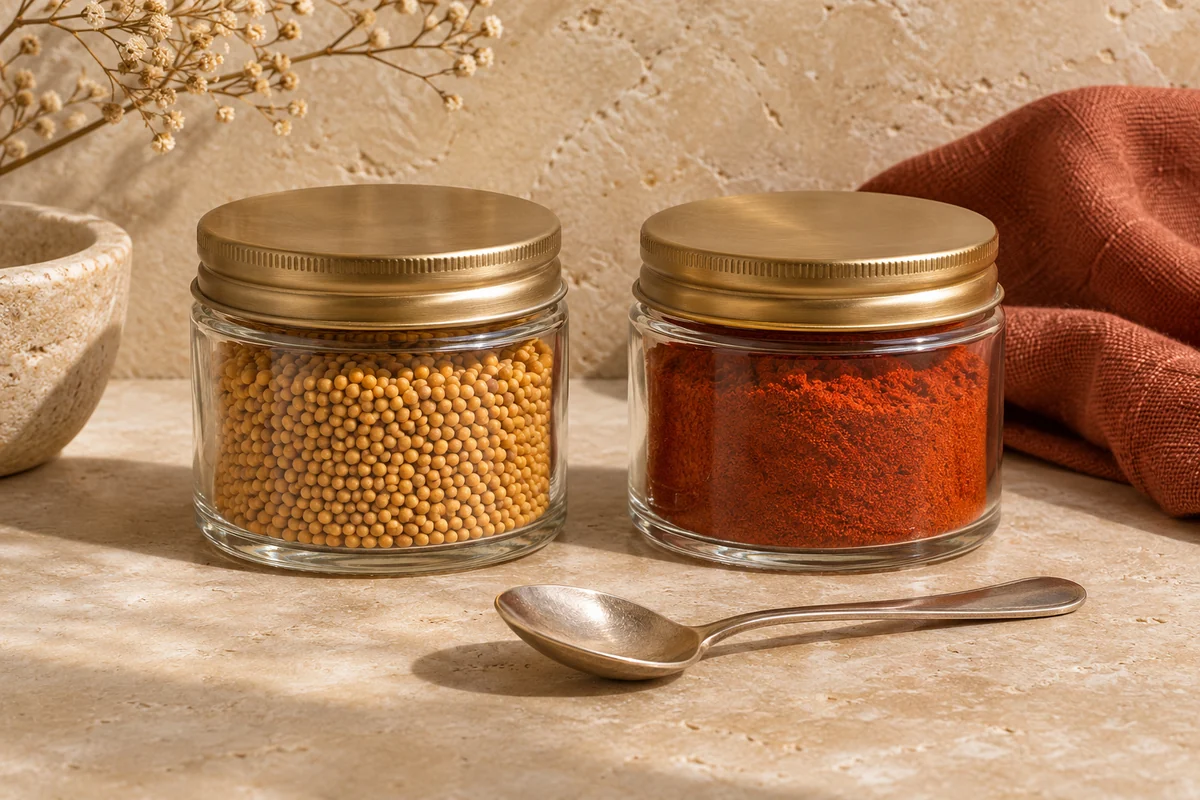
At half a cup, 4 oz food jars are compact enough for sample portions, spices, seasonings, dips, and tasting flights. Brands can pack several flavors in one gift box or variety pack.
- A small pack size for product trials and promotions
- Easy to group in multi-flavor sampler boxes
- Compact on the shelf and in a shipping carton
- Suited for spices, honey samples, condiments, and mini treats
8 oz Food Jars (~237 mL)
8 oz food jars hold 1 cup, or half a pint. They are a familiar retail size for jams, jellies, fruit butters, honey, and nut spreads. A half-pint jar gives households enough for several servings and fits easily on grocery shelves and in kitchen cabinets.
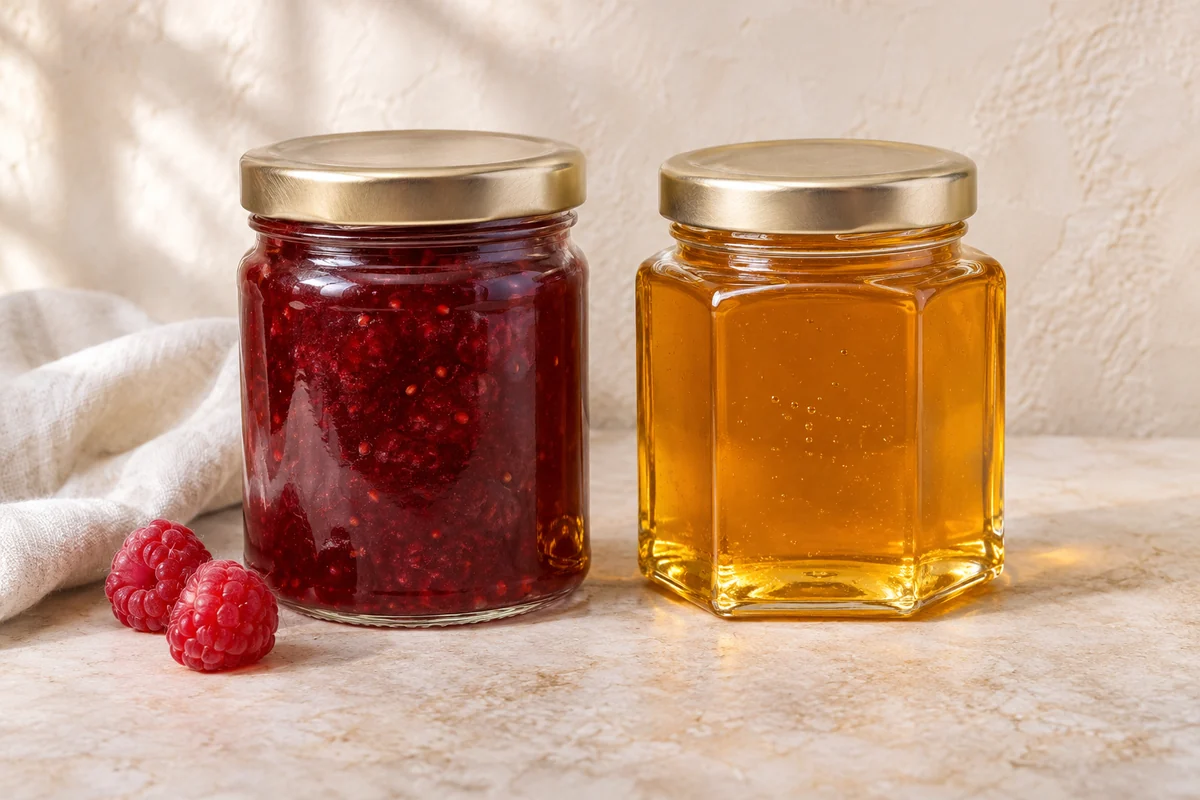
- Artisan jams, jellies, and fruit preserves
- Honey and specialty syrups
- Nut butters, tahini, and dessert toppings
- Small-batch pantry products and gift packs
12 oz Food Jars (~355 mL)
12 oz food jars hold about 1½ cups. They suit specialty sauces, honey, salsa, and spreads when an 8 oz jar feels too small and a full pint is more than the product needs.
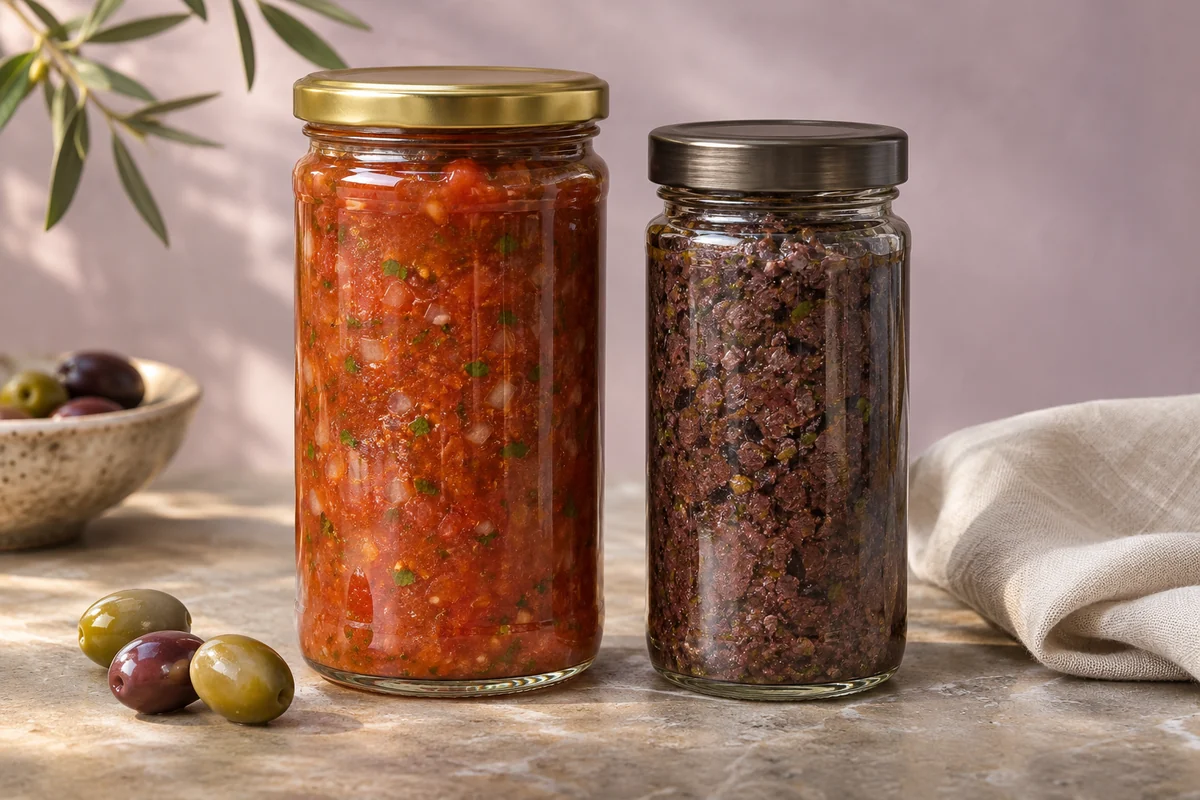
- A middle size between half-pint and pint jars
- Room for specialty sauces, salsas, and relishes
- Less filled weight than a pint of the same product, with jar and carton weight checked separately
- Straight-sided options with space for a front label
16 oz Food Jars (~473 mL)
16 oz food jars hold 2 cups, or 1 US pint. This familiar retail size works for pasta sauce, salsa, pickles, nut butter, and kitchen prep. Buyers can compare it easily with other pint-size products.
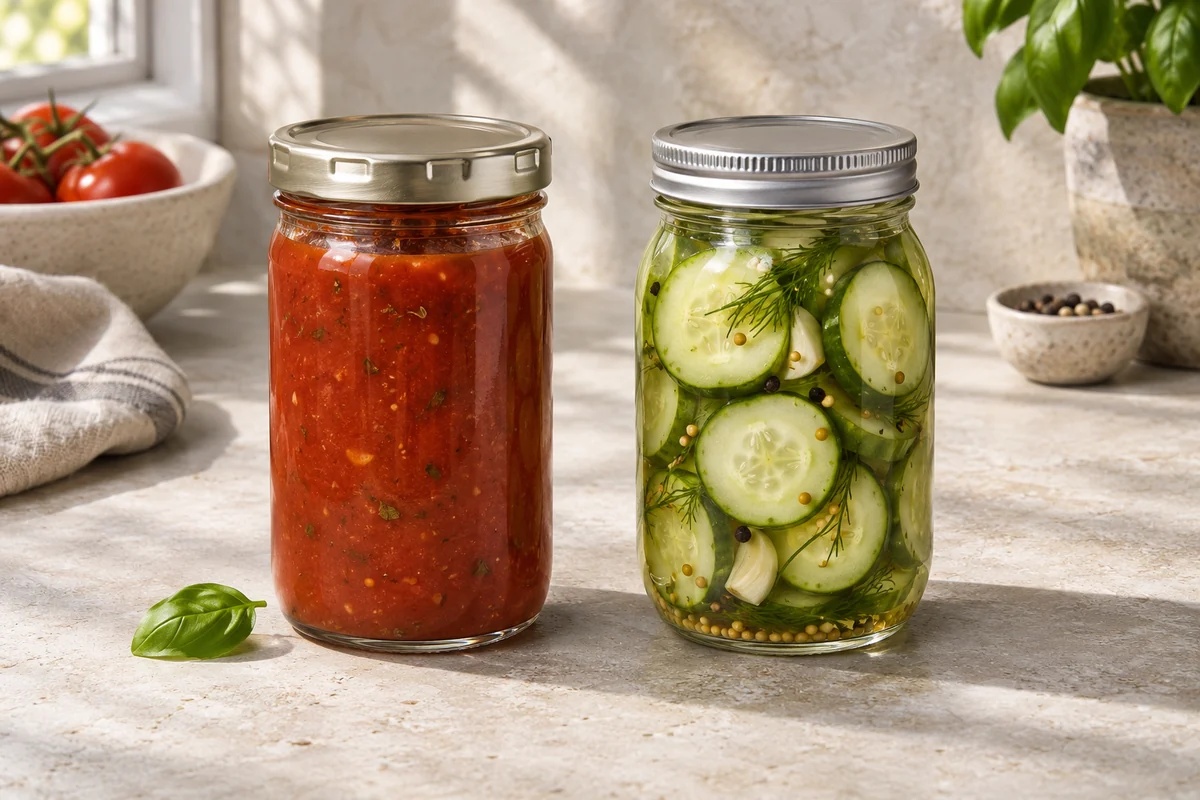
- Marinara, pasta, and simmer sauces
- Pickles, peppers, and salsas
- Peanut butter, almond butter, and spreads
- Meal prep and refrigerator or pantry storage
24 oz Food Jars (~710 mL)
24 oz food jars hold 3 cups, or 1½ pints. Tall jars give longer ingredients such as whole pickles, asparagus spears, and green beans room to stand upright. Wider styles work well for family-size sauces and condiments.
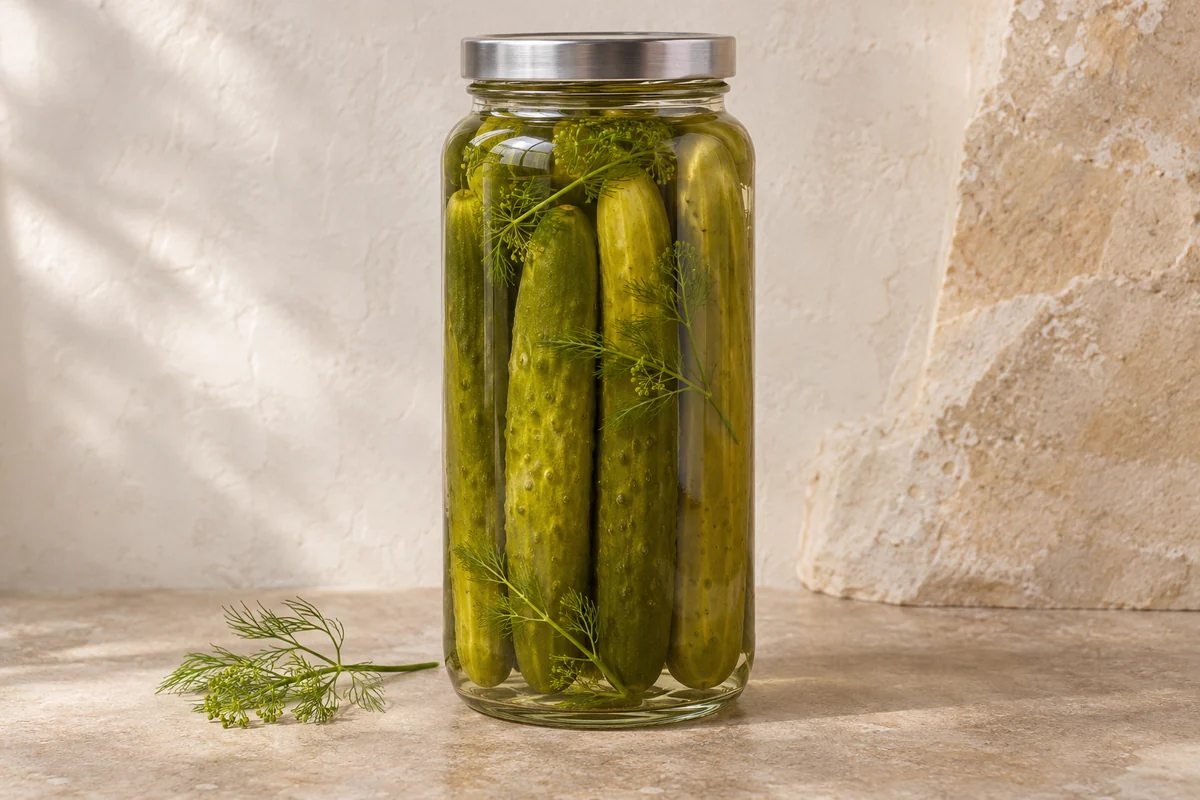
- Accommodates whole spears and taller ingredients
- Holds 50% more than a standard 16 oz pint jar
- Works for family-size packs between a pint and a quart
- Available in tall or wide formats for different shelf layouts
32 oz Food Jars (~946 mL)
32 oz food jars hold 4 cups, or 1 US quart, twice the volume of a 16 oz pint. Quart jars fit family-size recipes and pantry staples that get used frequently.
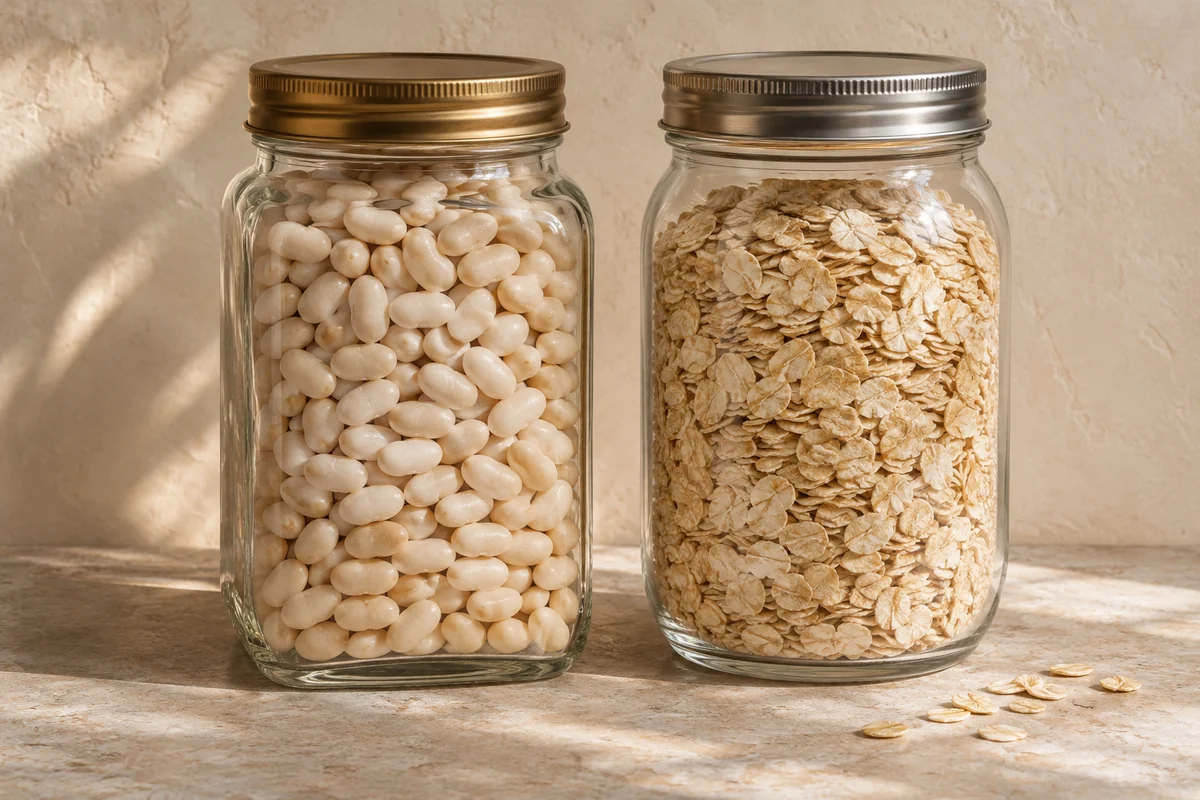
- Soups, broths, stocks, and cooking sauces
- Pickled vegetables and larger batches of preserves
- Rice, beans, oats, and other dry staples
- Household and foodservice storage
64 oz & 128 oz Bulk Food Jars (~1,893 mL & ~3,785 mL)
64 oz jars hold half a gallon (8 cups), and 128 oz jars hold 1 gallon (16 cups). These large formats work for bulk dry goods, commercial kitchens, and high-volume pantry storage. They reduce the number of containers to handle and how often staff need to refill them.
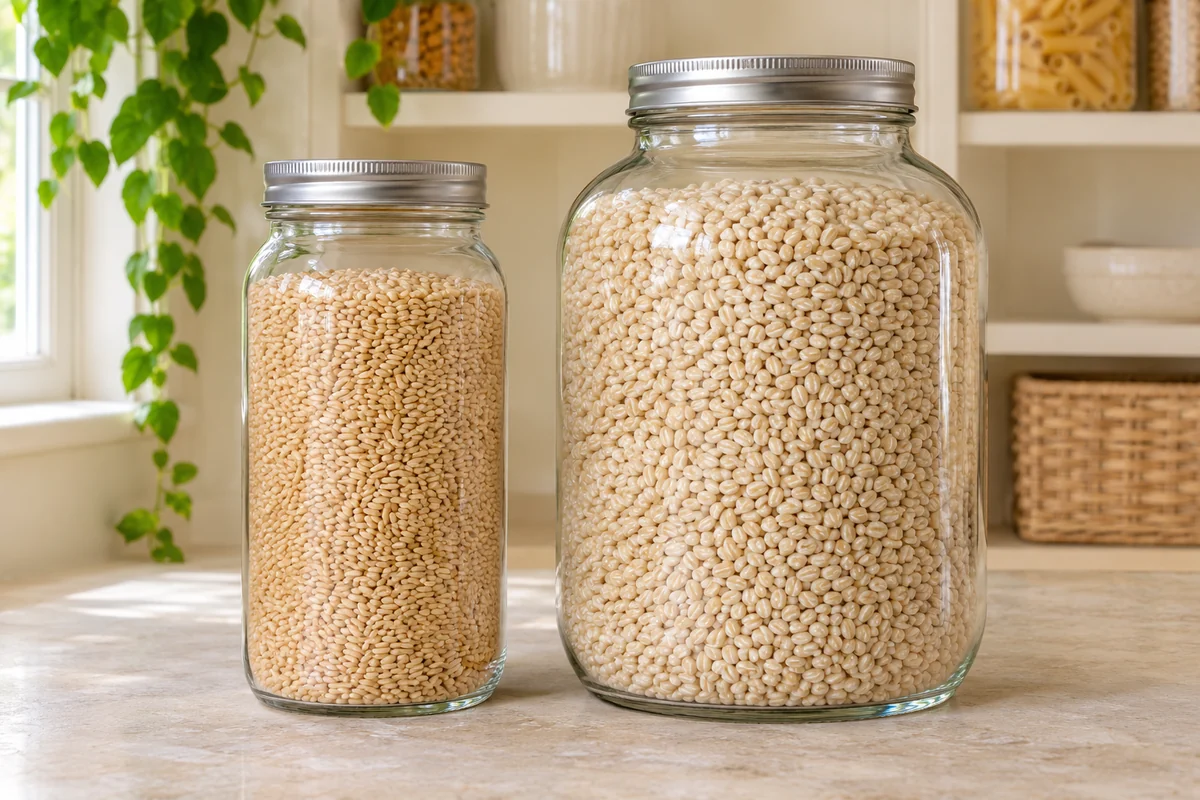
- Space for dry staples such as flour, sugar, and grains
- Useful for commercial kitchens, bakeries, and foodservice
- Large-batch fermentation when the jar and closure are suitable for the process
- Fewer container changes during high-volume operations
Bulk Food Jar Purchasing: mL vs. oz
North American packaging suppliers commonly list jar capacities in fluid ounces. Metric markets and international specifications often use mL or L. For products sold across markets, put both volume units on the purchase specification and confirm the lid finish and case pack separately.
- Confirm nominal and brimful capacity. Ask the supplier what its listed capacity represents and confirm how much product the jar will hold at the intended fill line.
- Confirm headspace and process compatibility. Check the required space above the fill line and choose jars and closures rated for the intended hot-fill, vacuum-sealing, or freezer conditions.
- Check the closure and liner. Match continuous-thread or lug caps to the exact jar finish and choose a liner suited to the food and its processing method.
For home canning, follow a tested recipe that specifies the jar size, closure, and headspace. National Center for Home Food Preservation jar guidance
Wholesale Glass Food Jars & Packaging – FEEMIO
For food brands, specialty producers, and packaging buyers, standardizing jar capacities helps simplify lid sourcing, filling-line setup, and freight planning. FEEMIO provides glass packaging and custom manufacturing support for food, beverage, and lifestyle businesses.
- Capacity options. Compare small sample and condiment jars, everyday retail formats, and larger storage jars. Ask about availability in clear or colored glass.
- Jar shapes and closures. Choose from straight-sided, round, and wide-mouth formats with compatible metal or plastic lids.
- Customization and bulk supply. Request label-friendly surfaces, finish options, and wholesale case and pallet specifications.
Sourcing wholesale glass food jars for your brand? Request a quote for available capacities, technical drawings, closure options, and bulk pricing.
Frequently Asked Questions (FAQ)
What are the most common food jar sizes?
Common food jar sizes include 4 oz, 8 oz (half-pint), 12 oz, 16 oz (pint), 24 oz (1½ pints), 32 oz (quart), 64 oz (half-gallon), and 128 oz (1 gallon).
Do bulk food jar suppliers use mL or oz?
North American suppliers commonly use fluid ounces for jar capacities. Metric markets and export specifications typically use mL or L. Confirm the closure finish and case quantity with the supplier.
How many mL are in a 16 oz food jar?
16 US fluid ounces equals about 473 mL. A nominal 500 mL jar holds about 27 mL more, so verify the capacity when comparing US and metric sizes.
Which food jar size is best for jams, sauces, or pickles?
8 oz and 12 oz jars are common for jams, jellies, and spreads. 16 oz jars work well for sauces, salsas, and pickles, while 24 oz and 32 oz jars suit longer vegetables and larger batches.
